
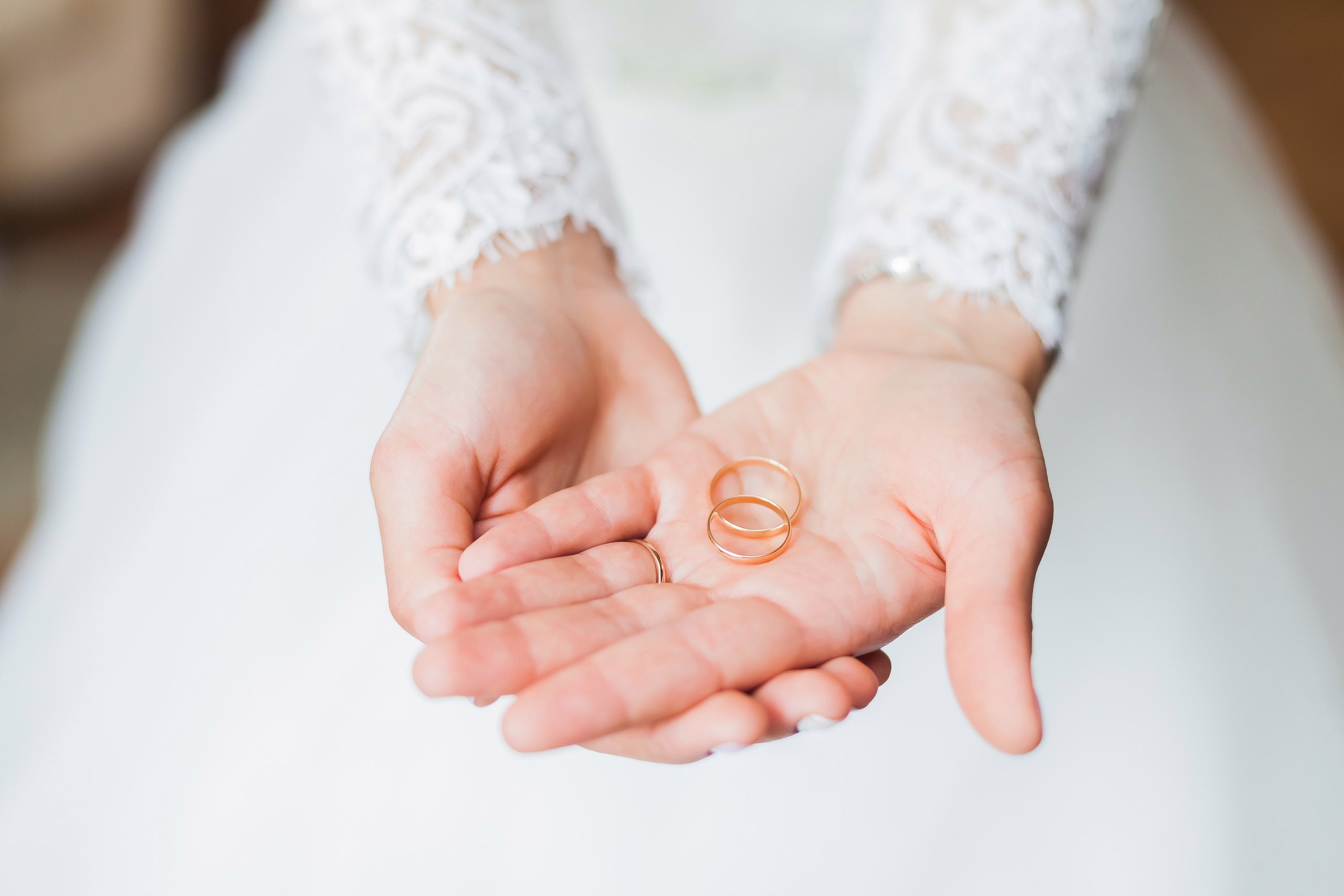
When a marriage takes place, any existing will becomes invalid as it is automatically revoked unless you had already specified in your will that this would not happen. Such a clause is rarely included. If you were to pass away after you had married but before you created a new will, your estate would be distributed following the rules of intestacy.
Under the rules of intestacy, your spouse or civil partner would not automatically receive all of your estate if you have children, grandchildren or great-grandchildren. Your spouse or civil partner would receive the first £250,000 of your estate and then half of everything that was remaining above that amount. The other half would be distributed to your children, grandchildren or great-grandchildren.
Many people are unaware of how marriage and other significant life events can impact their will. It is important to regularly review and, if necessary, update your will to ensure it remains valid and appropriate for your changing circumstances.
If you have a partner but you are not married to them or in a civil partnership with them it is even more important that you have a will since without one they have no automatic right to anything from your estate.
No matter the value of your estate, your age or status, it’s crucial to plan for the future to ensure your wishes are heard and your legacy is protected after you have passed away. Recent research reveals that a staggering 61% of UK adults do not have a will, even though creating a will and keeping it up-to-date and valid is the only way to guarantee that your estate is distributed as you wish.
Muxloe Wills can help. For more information or to book a free no obligation appointment please call David Boon on 0116 239 2409.


Leave A Comment
You must be logged in to post a comment.